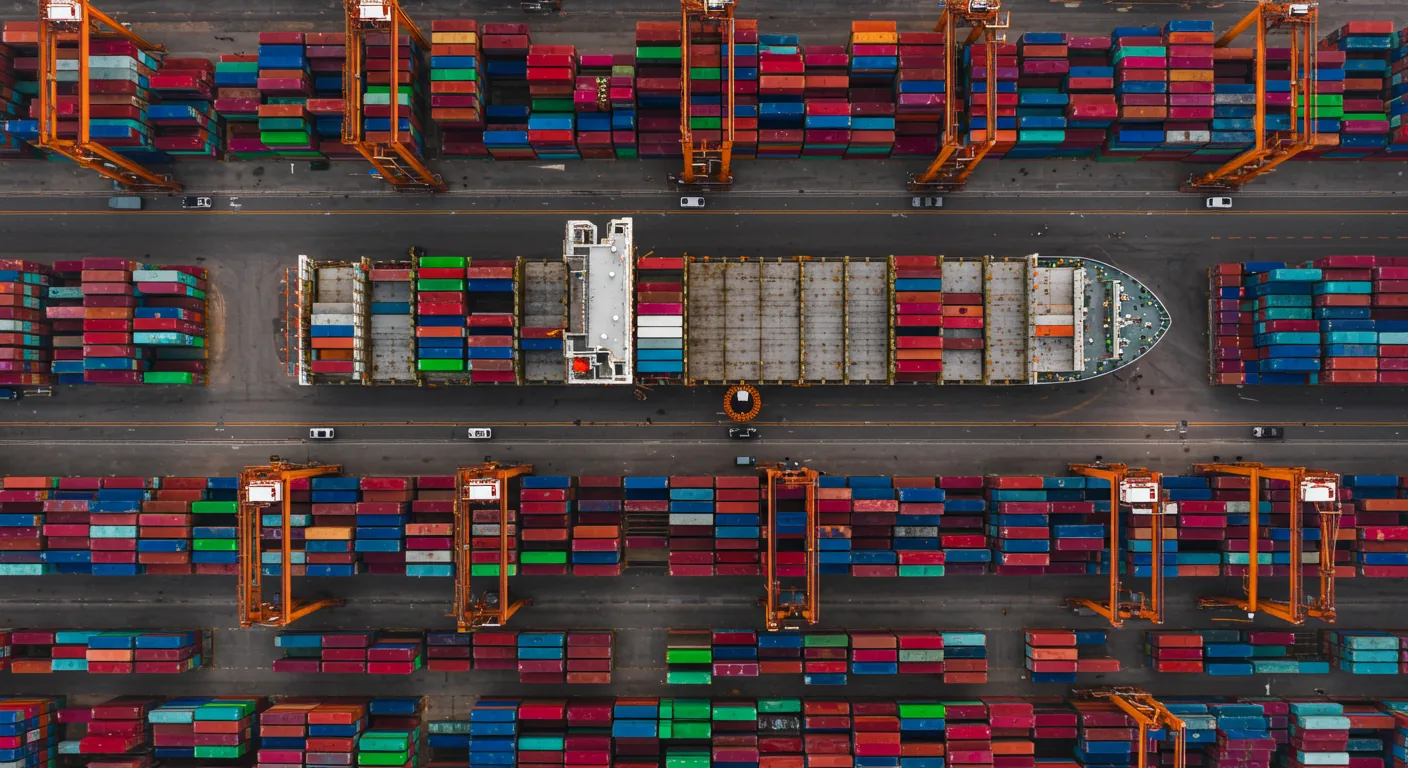
Ukrainian ports just took a concrete step toward rebuilding their place in global trade. On 25 June, the Ukrainian Sea Ports Authority (USPA), Port of Antwerp-Bruges International and the APEC Antwerp/Flanders Port Training Center signed a new cooperation agreement focused on port development, knowledge exchange and resilience. For freight forwarders and shippers watching Black Sea capacity, this signals that one of Europe's largest ports is investing directly in the long-term reliability of Ukrainian gateways.
What Happened
The three parties signed a Memorandum of Understanding (MoU) during the Ukrainian Recovery Conference, in the presence of Flemish Minister-President Matthias Diependaele. The agreement formalises collaboration across three pillars: port infrastructure development, technical knowledge transfer, and operational resilience for Ukraine's maritime sector.
Port of Antwerp-Bruges brings deep expertise in terminal operations and port management, while the APEC training center adds structured capacity-building for Ukrainian port staff. The deal builds on Europe's wider push to keep Ukrainian export corridors — particularly grain and bulk cargo lanes — functioning despite ongoing disruption.
Impact on Freight Rates and Operations
This is a development agreement, not an immediate capacity change, so do not expect overnight movement in spot rates. The real impact is medium-term: stronger Ukrainian port operations mean more predictable berthing, faster cargo handling, and lower risk premiums on routes touching the Black Sea over the coming quarters.
For shippers currently rerouting Ukrainian-origin cargo through alternative Danube or Baltic gateways, improved USPA capability could eventually restore shorter, cheaper direct routings. Carriers and insurers tend to reprice risk as operational reliability improves, which can ease the surcharges that have weighed on Black Sea bookings.
What Shippers Should Do
- Monitor Ukrainian gateway reliability before committing to direct Black Sea routings — track berth availability and dwell times over the next two to three quarters.
- Re-evaluate routing and insurance costs as risk premiums on Ukraine-linked lanes may soften with improved port operations.
- Lock flexible contracts with carriers so you can shift to direct Ukrainian ports if rates and reliability improve versus current Danube or Baltic workarounds.
- Plan cargo volumes precisely using accurate CBM and container calculations to avoid overbooking space on still-constrained corridors.
Key Takeaway
The USPA–Antwerp-Bruges MoU lays the groundwork for more reliable Ukrainian port capacity, which over the next several quarters could lower risk premiums and restore direct Black Sea routings for shippers.
Plan Your Shipment: Use our free CBM Calculator, Container Load Calculator, and LCL vs FCL Calculator to plan your next shipment.
Source: Container News